Have the camera ready, choose the frame quickly, and make the release part of the picture. A clear, honest photograph is more useful than a long sequence of repeated poses.
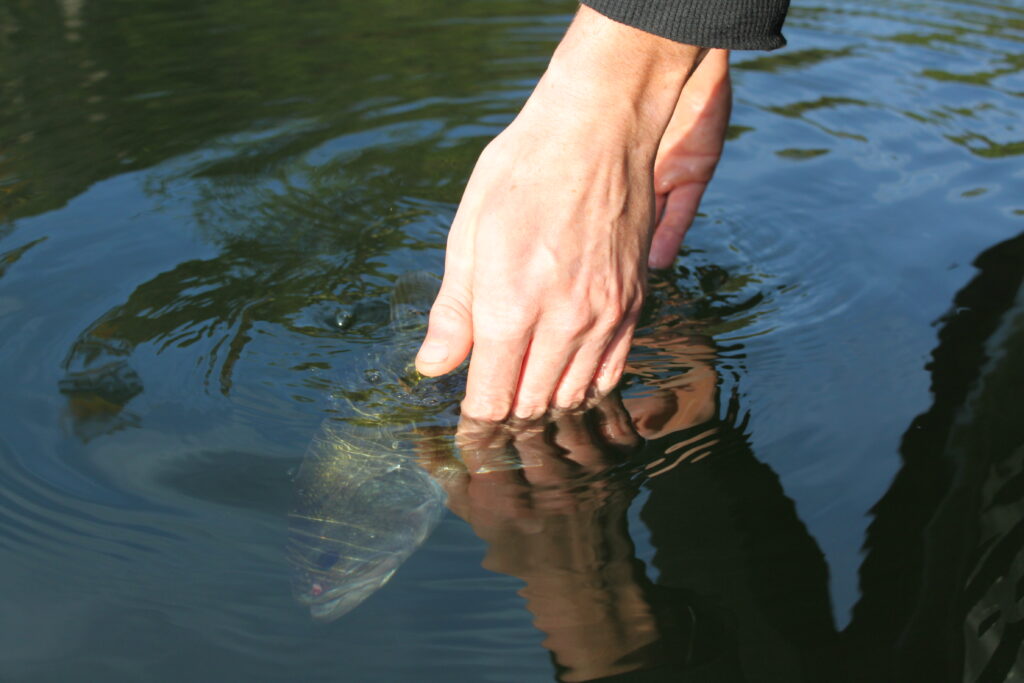
Prepare the camera while the fish is in the water
Keep Fish Wet recommends setting up the camera first and coordinating the photograph before lifting the fish. Its guidance also recognizes situations when a photograph should be skipped, including especially warm water or a deeply hooked fish. [1]
For a phone, our suggested preparation is simple: clear the lens, open the camera, check battery and storage, and learn the shutter or burst controls before fishing. Choose a stable position where you can handle the phone without juggling tackle. If you are alone and the setup stops being simple, take a release photo or let the fish go.
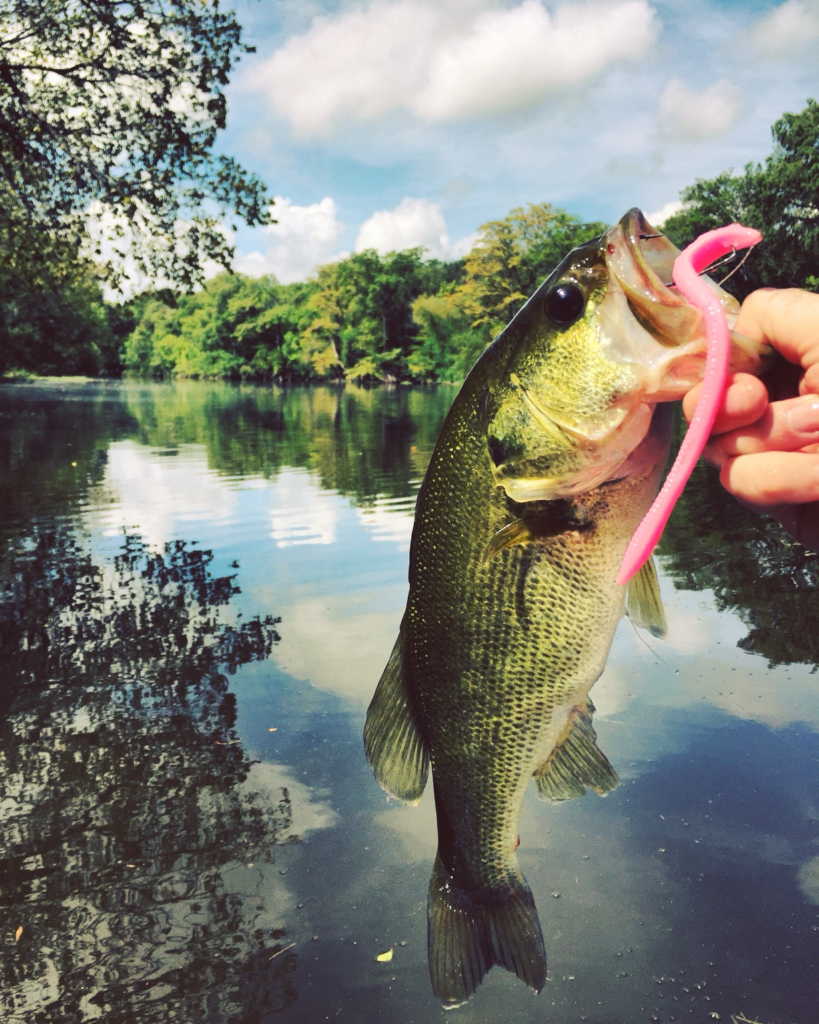
Make the frame tell the truth
| Problem | Try this |
|---|---|
| Fish looks distorted | Keep it nearer the angler’s body and avoid placing it at the edge of an ultrawide frame. |
| Background competes with the fish | Change the camera angle before the lift. Look for a simple water or shoreline background. |
| Bright reflections hide detail | Tap to focus on the fish and reduce exposure slightly if needed. Judge the result after release. |
| Every image looks identical | Photograph the setting, tackle or release separately, without extending the fish’s handling. |
These are practical composition suggestions, not requirements for a valid record photograph. For a record or tournament entry, the organization’s current documentation rules take priority over an attractive composition.
Take the picture without extending the handling
Keep the fish submerged while the photographer finds the angle and focus. Agree on the moment for any brief lift, take the shot, and return it to the water. Keep Fish Wet emphasizes minimizing air exposure rather than repeatedly adjusting the pose with the fish held out. [1]
See our catch, photo and release guide for bass-handling considerations. This page is about camera preparation and documentation; a compelling picture does not require holding a fish out of the water.
When the photo documents something unusual
For an unusual color pattern, retain the original file before applying filters. Note the date, location at the level you are comfortable sharing, and what you observed. Describe what the image shows rather than naming a mutation or infection from appearance alone. Link to our unusual-bass reference when explaining those possibilities.
For a large catch, report whether the weight was measured or estimated. A photograph of an extended fish does not establish its weight. A scale reading, measurement and account of the catch are separate records; keep them together, and check the relevant record program before submitting a claim.
Keep a useful original
Our suggested archive has three parts: the untouched camera file, a caption note and the photographer’s name or permission record. Make a separate edited copy for posting. If you crop, straighten or adjust exposure, retain the original so you can revisit the edit later. Avoid changing the fish’s proportions or pigmentation when the photograph is being used as evidence.
Before posting publicly, check whether location metadata or a recognizable background reveals a private fishing spot. Keep any location details needed for your own records separate from the public caption.
Sources and scope
- Keep Fish Wet — Fish Photography 101. Camera preparation, coordinated photographs and conditions that favor immediate release.
Composition and file-keeping suggestions are Bass Facts editorial guidance. The photograph on this page belongs to the Bass Facts archive. Source checked September 8, 2026.