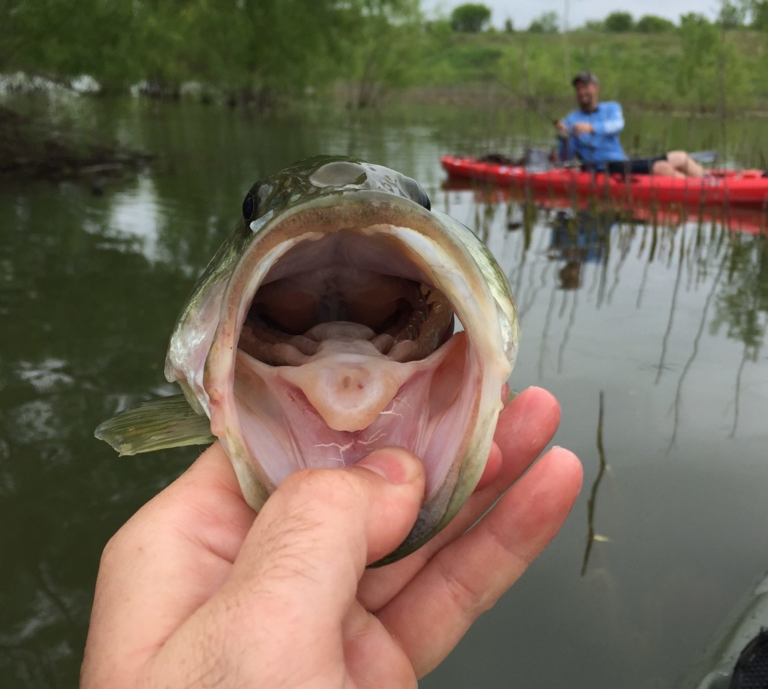
THE WORLD OF BASS • EXPLAINED
There’s more to bass than catching them.
Records, science, unusual biology, fishing history and useful knowledge about one of the world’s most popular sportfish.
Records, science, unusual biology, fishing history and useful knowledge about one of the world’s most popular sportfish.

All 50 states source-reviewed, with conflicts and incomplete agency fields labeled rather than guessed.
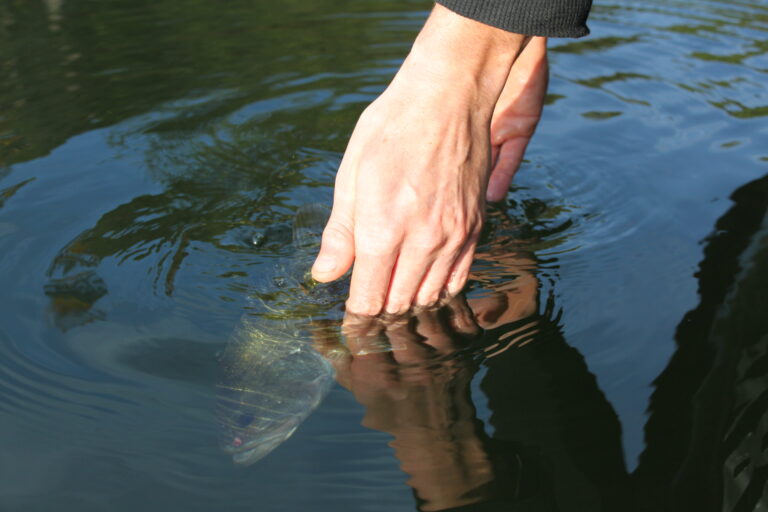
Taxonomy, biology, distribution, growth, diet and related reference links. See 24 sourced largemouth bass facts.
The Texas records layer connects the current Top 50 with ShareLunker history and TPWD-confirmed recaptures, so an individual giant bass can be followed across multiple catches.
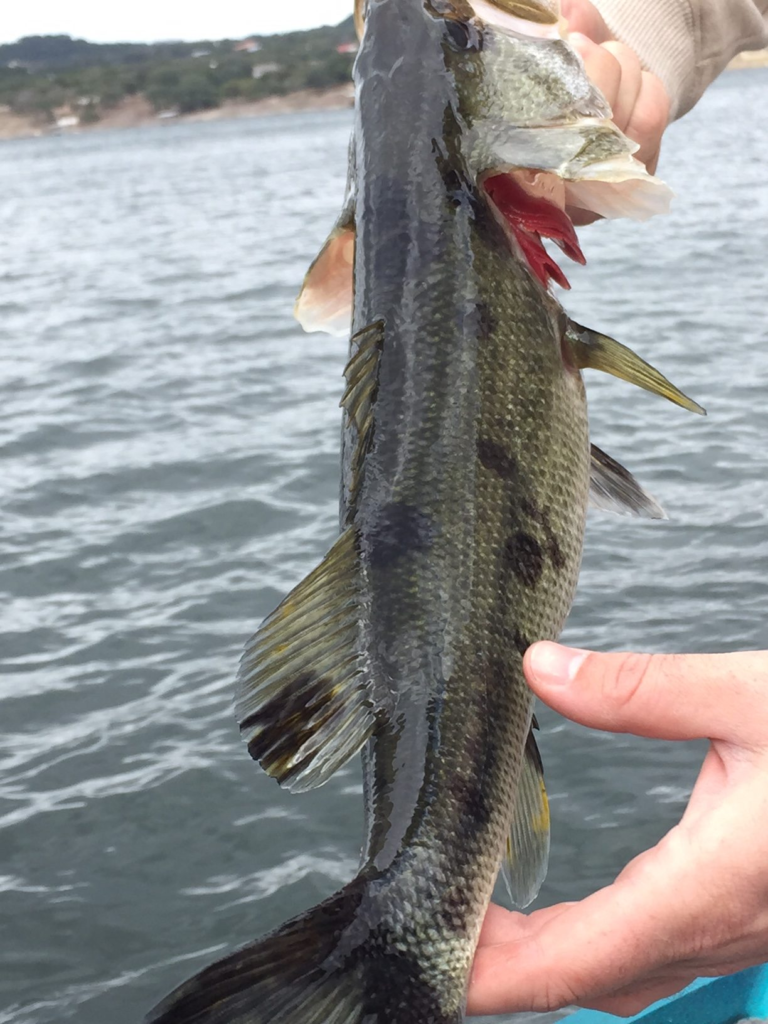
Pigment biology, gene editing, unusual phenotypes and disease-associated lesions.
What the newest research says about the dark blotches seen on some largemouth bass.
Practical fish-care guidance for handling, photographing and releasing bass.
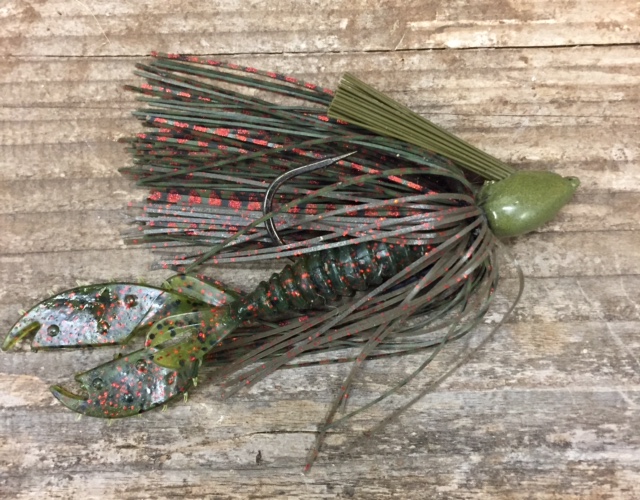
Jig fundamentals, presentation choices and when this versatile lure shines.
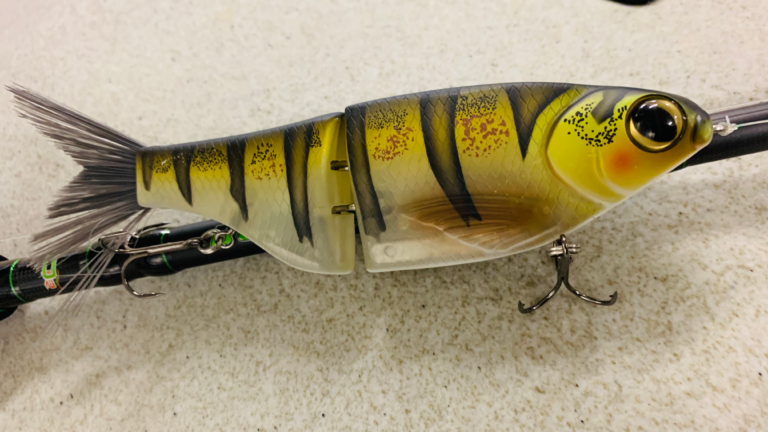
Retrieve, angle, depth and followers, illustrated with an original Bass Facts Chad Shad photograph.

From the first secret-location championship to the modern arena event. See every Classic champion.
The documented 25-pound giant that became bass fishing’s most famous almost-world-record.

A sourced timeline of electronics, boats and fishing technology.
Original Bass Facts visuals turn records, fish biology and fishing technology into reference material readers can understand at a glance.
A visual derived from the source-reviewed state-record database.
Nest building, egg placement and male parental care in one diagram.
How the electronics and boat-control stack evolved around bass anglers.
What otolith aging tells us about documented longevity—and why size alone cannot reveal age.
Inner ears, the lateral line and the different ways bass detect sound and nearby water movement.
Pressure change, symptoms, deep-release concepts and what the evidence says about fizzing.
Why the scientific names changed and what the revision means for records, genetics and older literature.
TPWD’s 3,178-fish Texas table plus a relative-weight calculator.
Classes, history, breeding, DNA and archive context.
Only TPWD-confirmed same-fish/recapture relationships.
Records are checked against official sources, science pages lean on primary research, and uncertainty is labeled instead of smoothed over. The goal is simple: useful bass information worth bookmarking and citing.