Choose a lure that can reach the fish, travel through the available cover and make the presentation you intend. Depth and retrieve come first; brand and finish come later.
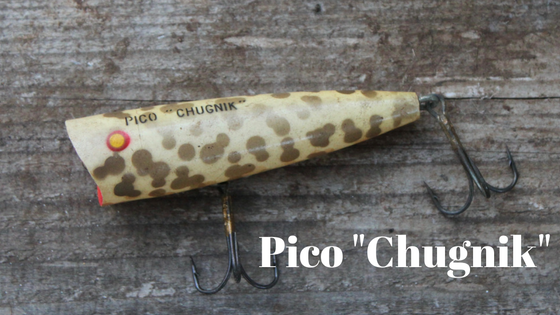
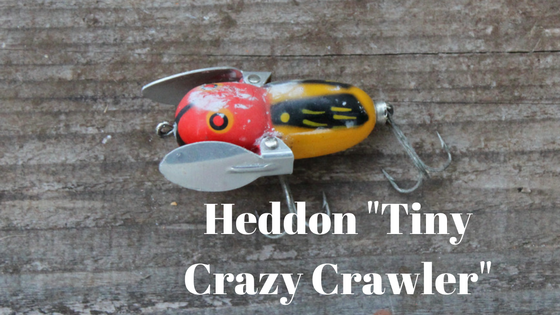
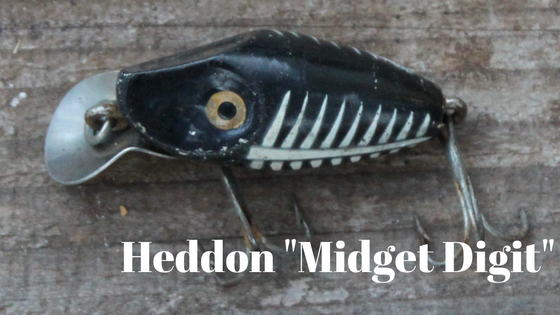
Examples from the owned Bass Facts lure archive.
A lure guide by job
This is a practical starting framework, not a universal ranking of catch rates. The same lure can fill several roles, and rigging changes what it can do.
| Job | Lure family | First adjustment | Read more |
|---|---|---|---|
| Work a defined bottom target | Jig or weighted soft plastic | Weight and fall speed | Jig fishing |
| Swim beside cover | Swim jig or soft swimbait | Retrieve depth and speed | Swim jigs |
| Present a slow-falling bait | Unweighted soft plastic | Rigging and time allowed to sink | Senko background |
| Search a suitable depth band | Crankbait | Diving design, retrieve and cover clearance | Visibility and presentation |
| Draw fish along an open route | Glide bait | Cadence and room to turn | Glide baits |
| Create a surface disturbance | Prop bait or other topwater | Continuous retrieve versus pauses | Prop baits |

Let the water narrow your choices
Local agency advice illustrates the value of context. TPWD’s Lake Pat Cleburne guide describes different presentations around vegetation and riprap, including plastic worms, spinnerbaits, buzzbaits and shallow crankbaits. Its Lake Fork guide names several lure families for spring shoreline fishing. Neither is a national best-lure ranking. Sources
Our suggested sequence is to identify the likely depth, trace a retrievable path, and choose a lure that can follow it. If a bait repeatedly fouls or hangs up before reaching the target, change the rigging or path. A lure you cannot present effectively is a poor comparison with one that reaches the fish cleanly.
Change one useful variable
After a follow, missed strike or landed fish, note where the response happened. Try to repeat that part of the cast before replacing the entire setup. Changing size, color, depth and action at once makes it difficult to learn which change mattered.
When there is no response, check your location and retrieve depth as well as the lure. A quiet stretch is not proof that a bait is ineffective. Keep fishing effort in your notes so a lure used for ten minutes is not compared as though it had the same opportunity as one used all morning.
Match the whole setup
Check the lure’s actual weight against the rod’s stated range, including added hooks, trailers or weights. Choose the line and connection with the cover and lure in mind. Our knot reference distinguishes terminal connections from leader joins and links to tying demonstrations.
Large baits deserve a deliberate casting setup. A larger profile is not automatically a better choice, and a familiar brand name does not tell you the weight of every model. Use the specifications for the model in your hand.
Choose finishes without a universal rule
Use your experience as a starting point, but separate it from evidence of what bass perceive. Our color-vision article explains why recognizing a color does not establish a universal preference for it.
For a small tackle selection, prioritize different presentation roles before buying many finishes of the same bait. The goal is to cover the situations you fish, then build knowledge of those presentations over repeated trips.
Sources and scope
Sources checked September 8, 2026. The comparison table and decision sequence are Bass Facts editorial guidance. This page is not a hands-on product test, shopping ranking or promise of catch success.