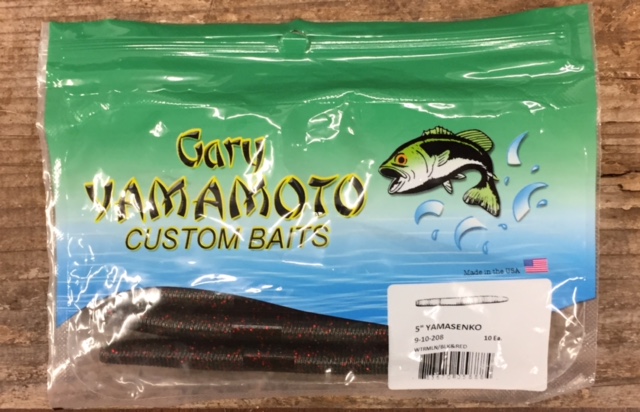
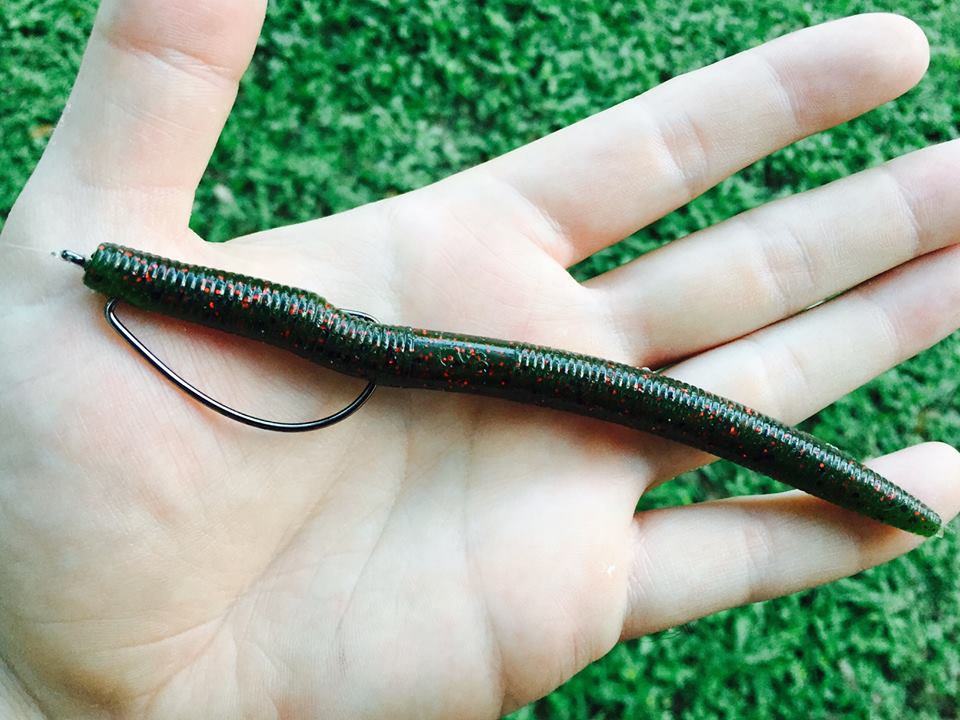
Gary Yamamoto developed the Senko while pursuing a soft-plastic twitch-bait concept. The bait’s simple stick shape and subtle fall ultimately created a new lure category.
The lure started as a different idea
The existing Bass Facts history article says Gary Yamamoto was trying to improve on the soft-plastic jerkbait concept popularized by the Slug-Go. A ballpoint pen supplied the basic cylindrical shape, while the bait’s subtle falling action became the feature anglers ultimately prized. For the broader lineage of influential baits, see the Classic Bass Lures photo archive.
Do not force one exact invention year
Published accounts contain a real source disagreement. A Yamamoto company history places the key development work around autumn 1995 and early 1996; a Bassmaster technology timeline labels the Senko as a 1996 innovation; an older Bassmaster history places the pen-inspired prototype in 1997.
The accidental action became the identity
Yamamoto did not originally set out to create the weightless falling presentation that became synonymous with the Senko. The dense, salt-heavy stick bait found its identity through the subtle horizontal fall anglers discovered and exploited.
Primary and authoritative sources
Retrospective accounts do not all give the same development chronology; this page preserves that uncertainty rather than forcing one exact year.