Modern bass-fishing history is the combined story of giant fish, organized competition, fish-care culture, lure design, trophy management, electronics and scientific changes in what “largemouth bass” itself means.
Records created a shared benchmark
George Perry’s 1932 Georgia fish became the 22-pound-4-ounce benchmark that defined largemouth-bass record discussion for generations. Manabu Kurita’s 2009 Lake Biwa fish later joined that record-book conversation under the rules and taxonomy of its era.
The world-record story now includes a newer layer too: modern taxonomy separates largemouth bass and Florida bass, and recent fisheries literature says Kurita’s fish was genetically verified as Florida bass. Bass Facts treats that as both a records story and a history-of-science story.
Organized competition changed the culture
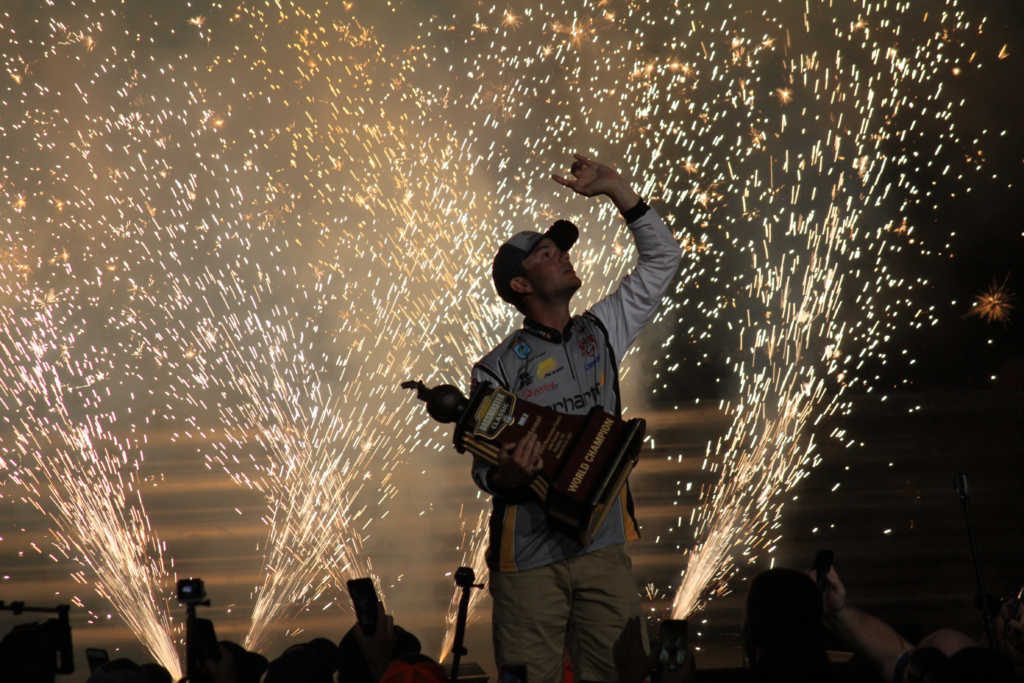
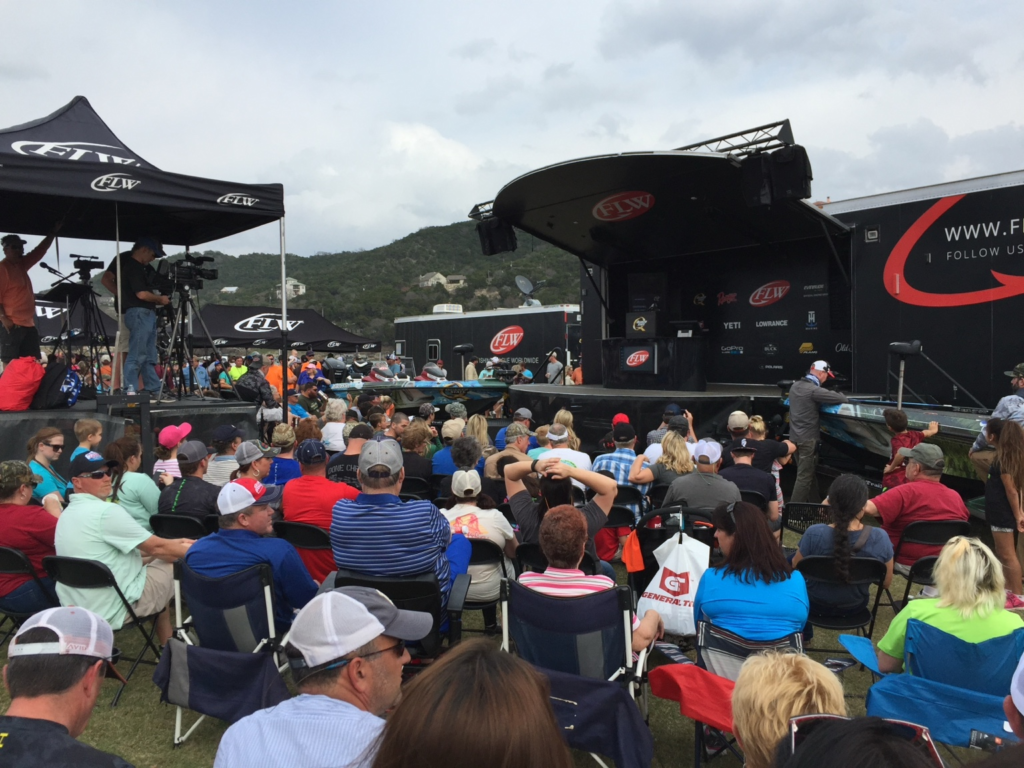
The existing history visual places Ray Scott’s Beaver Lake tournament in 1967 and the first Bassmaster Classic in 1971. The Classic becomes one branch of the history section—not the entire section. The champions database, Classic-history explainer and owned 2017 Classic photo archive can sit underneath that branch.
Fish care became part of competitive bass fishing
The timeline also marks the early-1970s catch-and-release push. That belongs beside modern Bass Facts fish-care content because it shows how tournament culture, fisheries ethics and handling practices changed over time.
Texas turned trophy fish into a long-running program
The ShareLunker program began in 1986 and now functions as recognition, archive, genetics and selective breeding—making it both a trophy-bass story and a fisheries-management story.
Lure design belongs in history too
The Senko story preserves published disagreement over the exact invention year, explains the design problem Yamamoto was trying to solve, and follows how a specific lure became an enduring category.
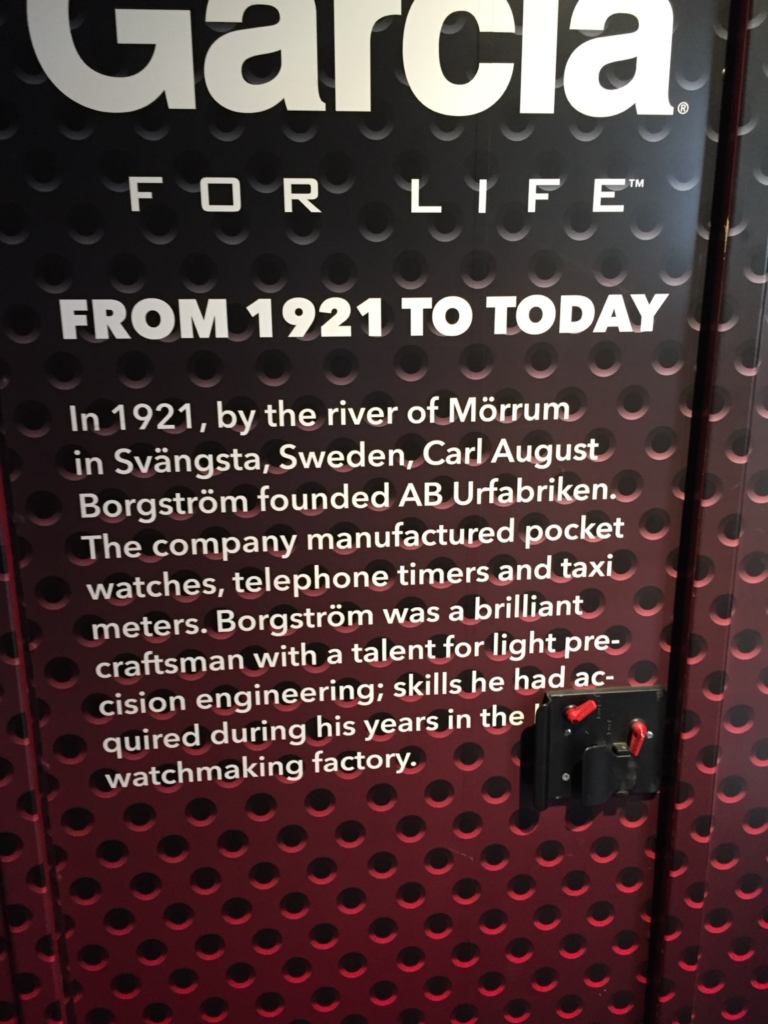
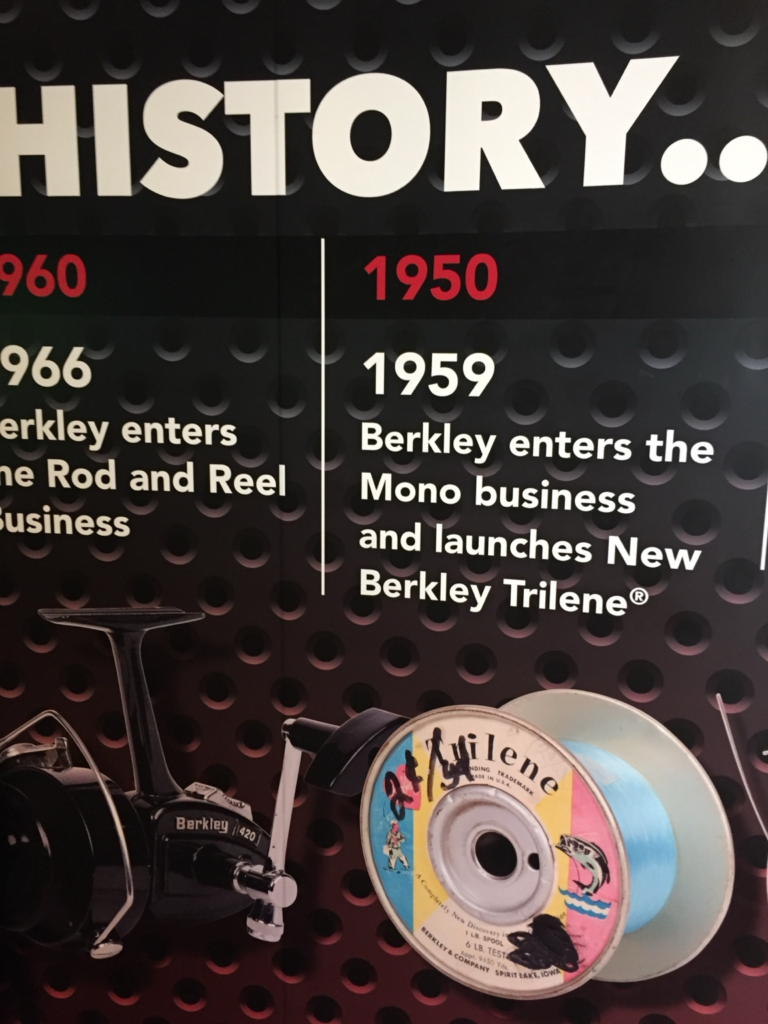
Manufacturer exhibits are useful historical leads, but Bass Facts treats exhibit copy as a source to verify—not as independent proof by itself.
The 2020s combine fishing technology with fisheries science
Forward-facing sonar changed tournament and everyday fishing strategy while genetic tools changed taxonomy, record verification and the ability to identify recaptured trophy bass. Those are different kinds of technology, but both change what anglers and fisheries managers can know.
World-record history
Perry, Kurita, California giants, Dottie and the taxonomy/record-system transition.
Bassmaster Classic
Origin story plus a maintained champions database, with the 2017 Bass Facts photo archive used where rights are confirmed.
Senko history
A case study in how one lure design became durable bass-fishing history.
ShareLunker
A 40-season trophy-bass program that now links angler catches to breeding and genetics.
Electronics timeline
From portable sonar and GPS to side imaging and live sonar.
Taxonomy + genetics
Modern phylogenomics and genetic verification now affect species names and record interpretation.
Selected authoritative sources
The timeline also links to deeper Bass Facts pages with event-specific and topic-specific sourcing.