How Reservoir Water Levels Affect Largemouth Bass
Drawdowns and rising water can reshape shallow habitat, vegetation, spawning conditions and angler access. The effect on bass depends on timing, magnitude and the reservoir itself.
Water level changes the amount and type of shallow habitat available to largemouth bass. In some reservoirs, exposing shoreline during one season can allow terrestrial vegetation to grow and later become productive cover when water rises. In others, rapid drops during spawning or prolonged low water can reduce nursery habitat. Studies do not support one universal rule.
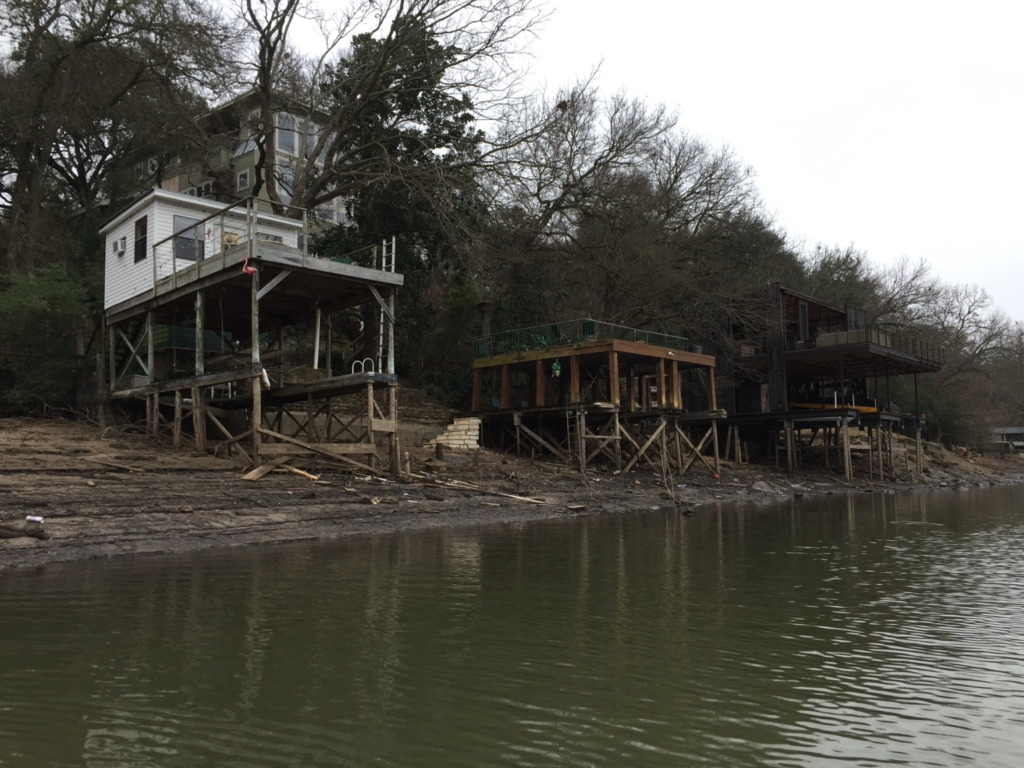
The first effect is habitat availability
Most largemouth-bass spawning and early nursery habitat is concentrated near shore. When a reservoir falls, that littoral zone moves downslope and can lose vegetation, woody cover and other structure. A study at Lucchetti Reservoir in Puerto Rico measured habitat at five water levels and found that total structural habitat declined sharply at lower elevations; inundated terrestrial vegetation and woody debris were absent at the lowest level examined. Catch rates of age-1 largemouth bass were significantly related to estimated structural habitat available during the previous spawning season.
That does not mean every drawdown reduces a bass population. The same study emphasized the mechanism: water level changes the habitat available to young fish. The biological result depends on what habitat is exposed or flooded, when the change occurs and what the shoreline looks like at the new elevation.
| Change | Potential mechanism | Evidence status |
|---|---|---|
| Falling water | Reduces or relocates shallow cover; may expose vegetation and woody habitat | Well documented as a habitat effect |
| Seasonal shoreline exposure | Can allow terrestrial plants to establish before later flooding | Documented in reservoir-management studies |
| Rising water | Can inundate terrestrial vegetation, bushes and woody cover | Commonly documented by reservoir managers |
| Rapid change during spawning | May alter nest depth, spawning success and nursery habitat | Reservoir-specific; studies disagree on magnitude |
Spawning and recruitment depend on timing
Research on young largemouth bass shows why broad statements about water level can fail. In Grand Lake, Oklahoma, abundance of young-of-year bass was positively associated with days of littoral flooding during spawning and nursery seasons. The study also found that prior shoreline drawdown could be beneficial when it exposed ground long enough for vegetation to establish before being reflooded.
But a four-reservoir Tennessee River study reached a different result for its systems: April–May water-level fluctuations during spawning were not related to year-class strength. Instead, stronger and weaker year classes were associated with early-summer discharge and reservoir retention. That contrast is important. Hydrology affects bass through multiple pathways, and the dominant pathway can differ among reservoirs.
Water level can influence largemouth-bass recruitment, especially through shallow habitat and spawning/nursery conditions. It does not support a universal formula such as “stable water always produces a strong year class” or “a drawdown always hurts bass.”
Vegetation can disappear, return—or shift
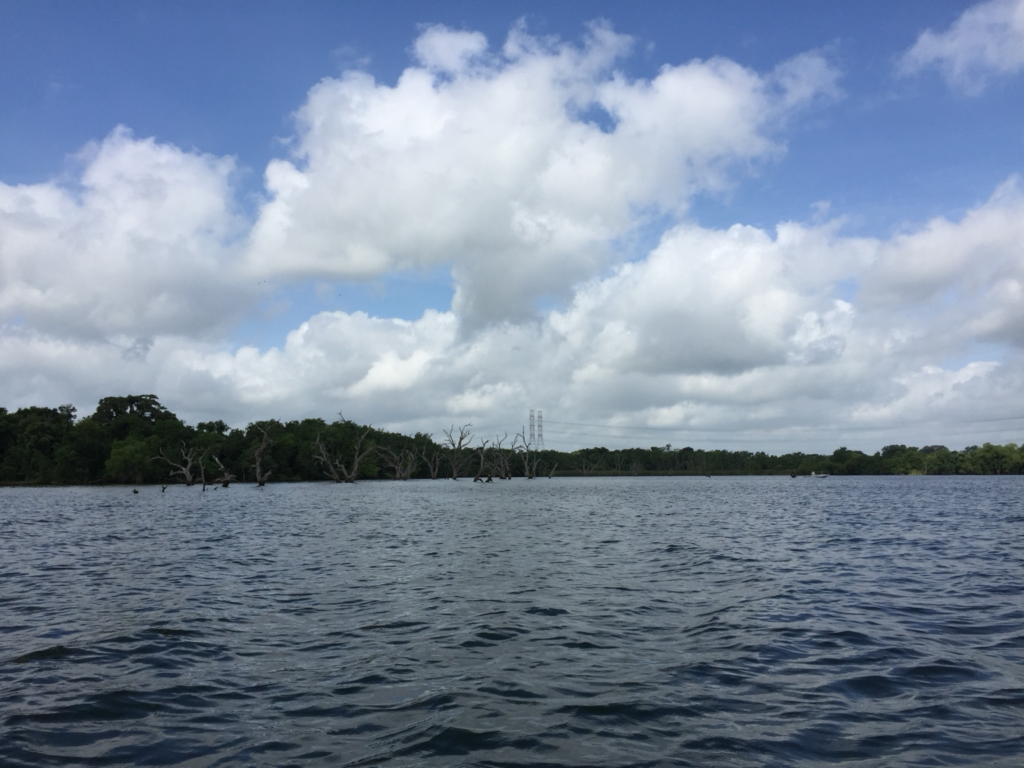
Reservoir managers routinely document vegetation changes after major drawdowns. Texas Parks and Wildlife reported that a roughly eight-week, 26-foot drawdown at B.A. Steinhagen Reservoir in 2019 decreased hydrilla and native plant coverage. At Sam Rayburn, TPWD notes that drastic water-level changes can reduce vegetation, while high water can inundate trees and bushes and create productive fish habitat.
The direction is therefore not simply “more water equals more vegetation.” Drawdowns can suppress aquatic plants, expose shoreline for terrestrial growth, or eliminate shallow cover if water remains low. When water later rises, newly flooded terrestrial vegetation can create a temporary pulse of complex cover.
Low water can change fishing access before it changes the fishery
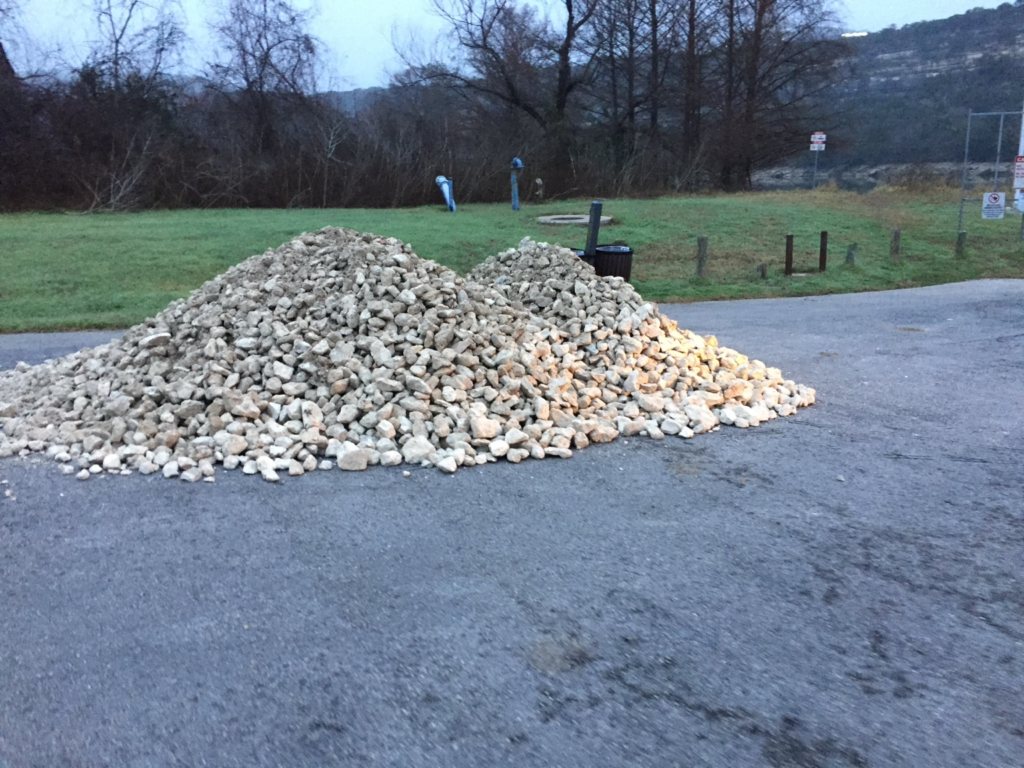
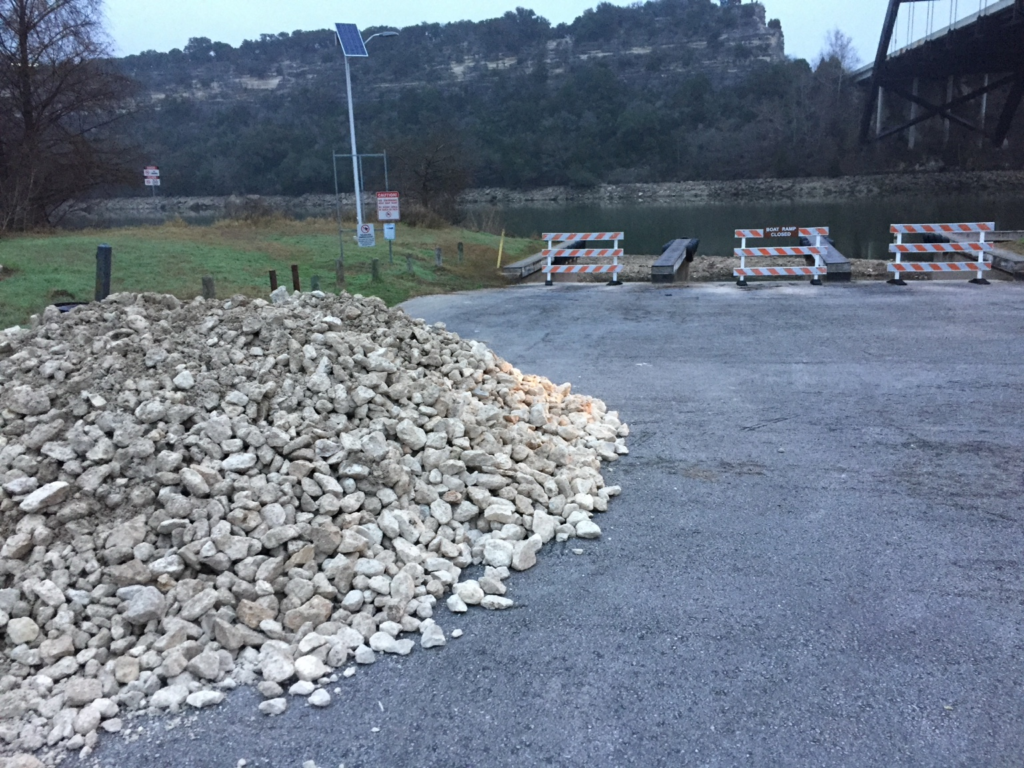
One of the most immediate effects for anglers is often access. TPWD reservoir surveys regularly note ramp closures during drought or low-water periods. Proctor Reservoir, for example, experienced large fluctuations and multiple ramp closures during drought conditions. This is an access problem even when the bass population itself remains fishable.
What this can mean for bass fishing
The practical fishing consequences are partly inference from habitat change rather than direct experimental proof. Falling water can pull the shoreline away from docks, bushes and shallow vegetation, making remaining cover, channel edges, timber and deeper structure more important. Rising water can put fish into newly flooded cover that did not exist at the previous elevation.
That does not mean low water automatically concentrates bass into easy targets. Fish can redistribute across a large reservoir, prey can move, water clarity can change and access can limit where anglers are able to launch. Treat “fish are concentrated when the lake is low” as a fishing hypothesis to test—not a biological law.
A low reservoir can still support giant bass
O.H. Ivie Reservoir is a useful reminder not to confuse water elevation with fishery quality. TPWD has documented water levels ranging from roughly 8 to 49 feet below conservation pool during 2000–2022, while the reservoir has also produced an extraordinary run of trophy largemouth bass. That does not prove low water caused the trophy fishery. It simply shows why water level alone is a poor shortcut for judging the health or trophy potential of a bass population.
The useful way to read a falling lake
Instead of asking whether low water is “good” or “bad,” ask four narrower questions: How quickly is the level changing? What shallow cover is being lost or exposed? Is the change occurring during spawning and nursery periods? And what will be flooded if the reservoir rises again? Those questions connect the water gauge to habitat and bass biology without pretending every reservoir responds the same way.
Sources
- Neal et al. (2001) — Effects of Reservoir Drawdown on Available Habitat: Implications for a Tropical Largemouth Bass Population
- Fisher & Zale (1991) — Effect of Water Level Fluctuations on Abundance of Young-of-Year Largemouth Bass
- Maceina & Bettoli (1998) — Variation in Largemouth Bass Recruitment in Four Mainstream Impoundments of the Tennessee River
- Texas Parks & Wildlife — Sam Rayburn Reservoir habitat and fishing information
- Texas Parks & Wildlife — B.A. Steinhagen Reservoir survey report
- Texas Parks & Wildlife — Proctor Reservoir survey report
- Texas Parks & Wildlife — O.H. Ivie Reservoir survey report
Sources checked September 17, 2026. Bass Facts distinguishes measured fishery responses from practical angling inferences.